Blog
Notes on speed, protocols, and shipping files.
Thoughts from the WarpSend team on building faster file transfer.


MASV Too Expensive? The Per-Recipient & Per-GB Cost Trap for Media Teams
MASV bills ~$0.25/GB per download — so every recipient and every re-download multiplies the bill. Here's how the math runs away, and a predictable alternative.

How to Send Large Files Securely When They're Too Big to Email
Email caps out around 25 MB, so big files won't attach. Here's how to send large files securely and fast — past email limits, with one safe link.

WeTransfer Alternative for Large Video Files: Why 4K/8K Projects Outgrow It
WeTransfer is built on plain HTTP, so multi-GB camera footage crawls and big projects get split across transfers. Here's why 4K/8K work outgrows it — and what to use instead.

Why Your Upload Is So Slow When Your Download Is Fast
Your download flies but uploads crawl — that's broadband asymmetry, not your computer. Here's why it happens, plus how to send big files faster over distance.

Synology NAS sync between offices: the realistic guide
Snapshot Replication, Hyper Backup Shared Folder Sync, Drive ShareSync, or WarpSend — which one for cross-site NAS replication, and what nobody tells you about the seed transfer.
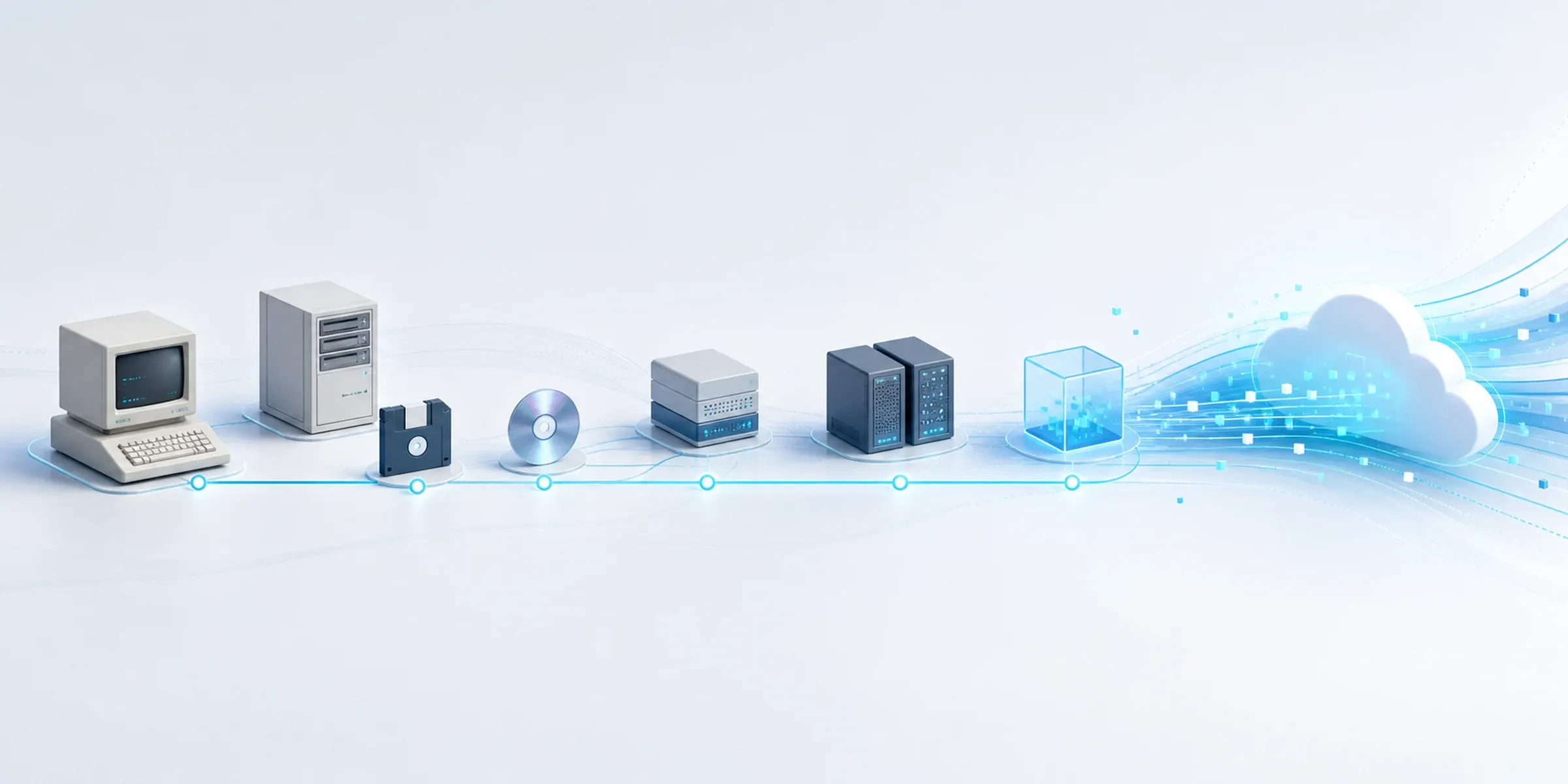
A brief history of fast file transfer (1971 — 2025)
FTP turned 54 this year. The story of how we got from RFC 114 to UDP-based congestion control running on Cloudflare's edge is shorter, weirder, and more reproducible than most people think.

IBM Aspera alternative: faster setup, lower cost
Aspera moves files. It also moves between $75K and $150K in licensing, infrastructure, and support. Here's an honest look at when Aspera is worth that — and when you should be looking somewhere else.

WarpSend vs WeTransfer: what's the difference?
WeTransfer changed dramatically after the Bending Spoons acquisition — quotas, retention, and pricing all moved against the freelancer. Here's an honest side-by-side, including when WeTransfer is still the right call.

How WarpSend achieves 618× faster than FTP
A detailed look at why FTP collapses across continents, why BBR doesn't fully save you, and how WarpSend's UDP engine, packet packing, and persistent connections actually deliver line-rate transfer over long-fat networks.

FTP is dead. Here's what to use instead.
FTP was specified in 1971 — six years before TCP. SFTP doesn't fix the underlying problem. Here's the protocol-level reason both fall apart on long-haul links, and what the modern alternatives actually do.

Introducing WarpSend
Most teams still ship hard drives, wait overnight for WeTransfer, or pay six figures for Aspera. We built a third option — fast enough to make couriers redundant, cheap enough that you don't need an IT project to deploy it.